
A Fear of the Unknown: Mindfulness as an answer to face uncertainty
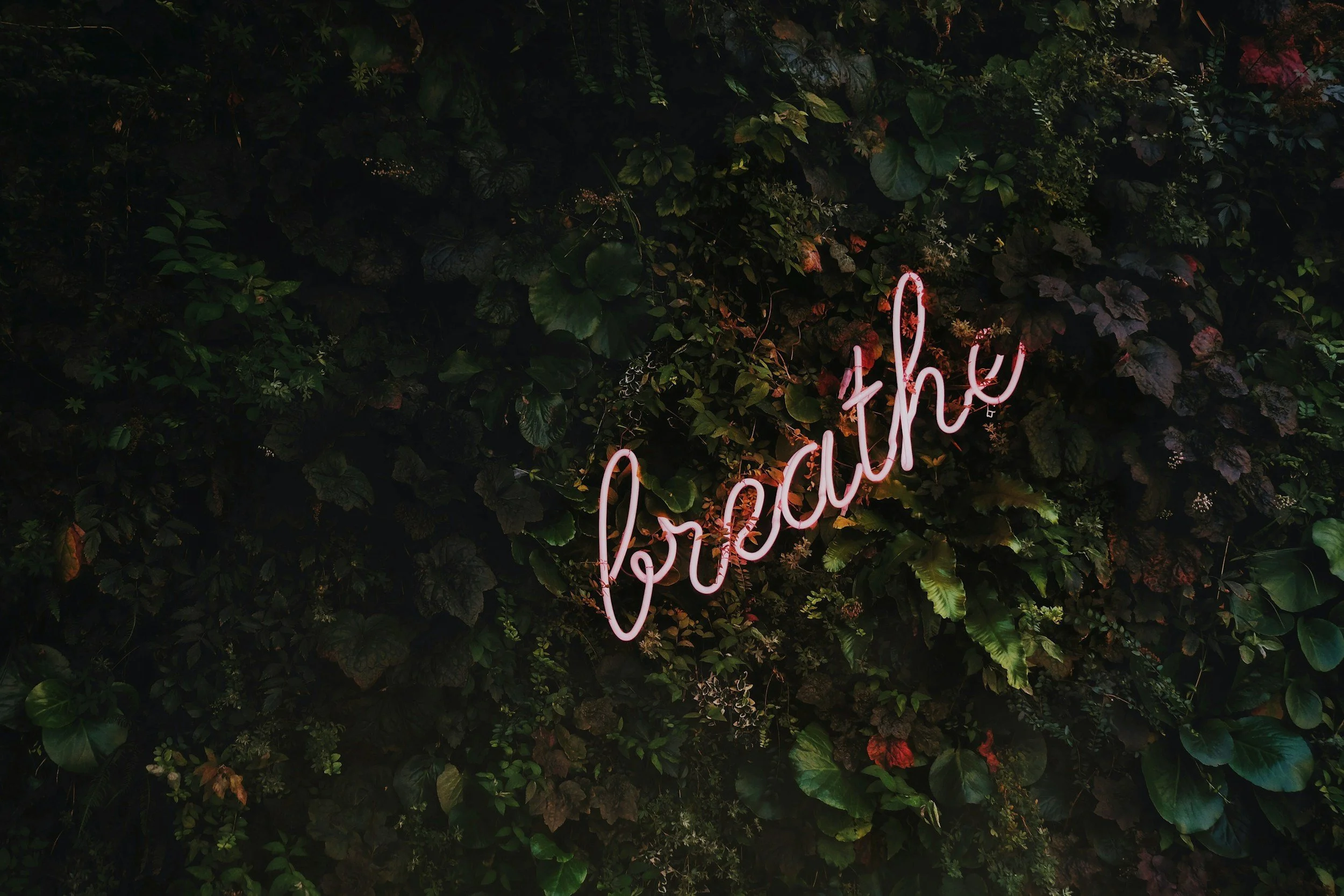
Photo: by @nofilter_noglory on Unsplash
It is not what happens to you, it is how you respond to it.
We will all experience testing times in our lives. That is a fact. I know, I certainly already have! Over 18months ago, I found myself responding to a personal crisis with severe anxiety. I was in a dark place. Over a two months period, everything in my life got turned upside down and became uncertain. I lost 8Kg, I was signed off work for two months after being diagnosed with post-traumatic stress, and suffered from anxiety attacks.
This time led me to hit rock bottom and made me seek new ways of coping. I couldn’t control my external environment and my mind wasn’t serving me, in fact, it was destroying me from within. The positive side of this experience is that it opened me up to an entirely new world within myself which I could control to find relief and peace. This thaught me to relate to my external world differently.
This article takes a look at what is in our sphere of control to change the way we relate to uncertainty in the context of managing anxiety.
Fear of the unknown — Don’t always trust the Monkey Mind
The Buddhists refer to it as our Monkey Mind, Dr Steve Peters refers to it as our Chimp, some Psychologists refer to it as our Reptilian brain, others as our Ego, and Scientists refer to our emotional thinking machine as our Limbic Brain.
This part of the brain replays our past experience and compares it to the present as a reference to spot danger based on rules, we have created for ourselves. In a world where we are encouraged to have control, uncertainty can be perceived as a large threat, leading the mind to fill in the blanks with irrational thoughts. Bringing awareness of these patterns is what I spend my time doing when I am coaching, to break them and create a space for new ones to emerge.
Dismissing the thoughts of our Monkey Mind seems like a wise idea if you are not in a place of calm and want a neutral or balanced response to a crisis, don’t you think? Yes. But how?
Zone of Control — Irrational thoughts
The good news is that, because we have self-constructed our mind (influenced by society, family, genetics etc), we can, therefore, change it and choose how we think. This understanding can have a huge impact in the moment. This is how we reclaim our power back in a crisis when we can feel victimised and blame others for how we feel.
The natural human way to deal with uncertainty is control: taking action to feel in control of a situation. This is why many have found a bit of peace as the Covid19 pandemic broke out by panic buying and stocking up on food, sanitiser, and toilet paper, just in case. It is a way of taking action to calm the Monkey Mind and feel a little control over the uncertain situation. Our mind will go to great lengths to do irrational thing which make it feel in control.
Slowing Down — Mindfulness to manage anxiety
Irrational thinking result in negative emotions. Anxiety is a strong negative emotion which many of us have experienced. It can be overwhelming and debilitating.
Gestalt psychology defines anxiety as a process and ‘creative adjustment’ to life events that seem unmanageable and overwhelming.
Continue to Medium for full article here.